
How to Reduce Heat in Your Home Without Replacing Windows
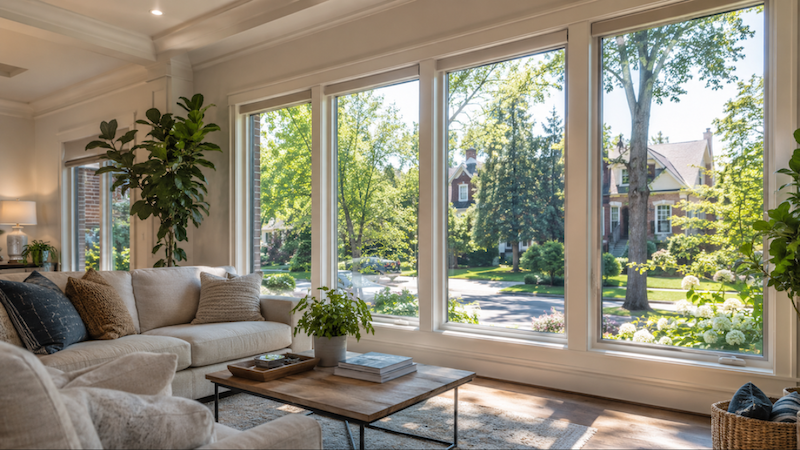
When the afternoon sun hits your windows, does one part of your home suddenly become too hot to enjoy?
For many Windsor homeowners, summer heat is not distributed evenly throughout the house. The air conditioner may be running, but rooms with large south- or west-facing windows can still feel uncomfortable. Floors become warm, glare makes it difficult to watch television or work on a computer, and upstairs rooms may remain hot long after the sun goes down
Replacing the windows may seem like the obvious solution—but it is not always necessary. Professional solar control window film can improve the performance of your existing glass by reducing the solar heat entering your home. It allows you to address hot spots, glare, UV exposure, and comfort concerns without the disruption and expense of a full window replacement project.
Why Windsor Homes Can Become So Hot in the Summer
Windsor is known for having one of the warmest climates in Canada. Typical July daytime highs are approximately 28°C, and periods of higher temperatures and humidity are common. That combination can make rooms with strong sun exposure uncomfortable well before the hottest weeks of summer arrive.
Across Windsor and Essex County, proximity to Lake Erie, Lake St. Clair, and the Detroit River helps shape the region’s climate—but it does not prevent intense solar heat from building inside local homes.
The problem is often most noticeable in:
South- and west-facing rooms
Homes with large windows or patio doors
Sunrooms and enclosed porches
Upper-floor bedrooms
Open-concept living areas
Rooms with limited shade from trees or neighbouring buildings
Condos with large expanses of glass
Standard glass allows a significant amount of solar energy to enter a home. Once that energy heats floors, furniture, walls, and other surfaces, the room can continue releasing heat even after direct sunlight has moved away.
Start by Identifying Where the Heat Enters
Before assuming that every window needs to be replaced or treated, pay attention to when and where your home becomes uncomfortable.
A room that overheats between noon and late afternoon may have strong south or west exposure. A bedroom that remains hot into the evening may be absorbing solar energy through its windows throughout the day. You may also notice that your air conditioner runs longer whenever the blinds are open.
These patterns can help identify the glass areas contributing most to the problem.
A professional window film consultation should consider:
The direction each window faces
The size and type of glass
The time of day the heat is most noticeable
The amount of natural light you want to preserve
Your preferred appearance and level of reflectivity
Whether glare, fading, or privacy are also concerns
This makes it possible to recommend film only where it will provide a meaningful benefit.
How Does Solar Control Window Film Reduce Heat?
Solar control window film is professionally applied to existing glass. Rather than allowing most of the sun’s energy to pass directly into the room, the film is engineered to manage different portions of the solar spectrum.
Depending on the 3M film selected, residential window film can:
Reduce up to 78% of the sun’s heat
Reject up to 97% of heat-producing infrared light
Block up to 99.9% of harmful UV rays
Reduce glare while maintaining natural light
Help eliminate uncomfortable hot spots
Specific performance varies according to the film, shade, glass type, exposure, and installation.
The distinction between total solar heat and infrared rejection is important. Infrared light is one heat-producing portion of sunlight, while total solar energy includes infrared, visible light, and ultraviolet energy. The right film is selected by considering its complete performance—not one number in isolation.
Will Window Film Make Your Home Feel Dark?
Not necessarily. Many homeowners still picture window film as a very dark or highly reflective tint. Those products are available when stronger glare reduction or daytime privacy is wanted, but modern 3M films also include lighter, low-reflectivity options.
For example, the 3M™ Prestige Series uses multilayer, non-metallized technology to reject up to 97% of infrared light. Depending on the product selected, Prestige films can still allow approximately 40% to 70% of natural light into the home.
This can make the film well suited to homeowners who want to keep their rooms bright and preserve their views while reducing the intensity of the heat entering through the glass.
Other film options may be recommended when the priorities include stronger glare reduction, additional daytime privacy, or a particular exterior appearance.
Other Ways to Reduce Heat Without Replacing Your Windows
1.Close blinds during the strongest sunlight
Blinds, curtains, and shades can help reduce direct sunlight, particularly during peak afternoon hours. However, because the sunlight has already passed through the glass before reaching an interior covering, some heat will still enter the home. Exterior shading is generally more effective than interior blinds, but it may not be practical for every property.
2.Seal air leaks around windows and doors
Weatherstripping and caulking can help reduce hot outdoor air entering through gaps. This is especially useful around older frames. Air sealing addresses drafts, while window film addresses solar energy passing through the glass. They solve different problems and can be used together.
3.Use ceiling fans strategically
Ceiling fans do not lower the actual room temperature, but moving air can make occupants feel more comfortable. Fans should generally be turned off when the room is unoccupied because they cool people rather than the space itself.
4.Adjust your cooling schedule
Closing coverings before the strongest sunlight reaches the windows and lowering indoor temperatures earlier in the day may help prevent heat from building as quickly. The best approach will depend on your home, cooling system, and electricity plan.
5.Add exterior shade where practical
Awnings, properly placed trees, exterior screens, and covered patios can reduce direct sunlight before it reaches the glass. These improvements can be helpful but may require more space, maintenance, or exterior changes than professionally installed window film.
Window Film Versus Window Replacement
Window replacement may be appropriate when windows are damaged, leaking, difficult to operate, or experiencing seal failure. Window film is not a repair for a failed window unit. However, when the existing windows are in good condition and the primary concern is excessive solar heat, glare, fading, or uneven room temperatures, replacement may not address the problem as directly as expected.
New glass can improve insulation, but solar heat may still pass through it. Professionally selected window film is specifically designed to improve solar performance and can often be installed with far less disruption.
Benefits include:
Keeping your existing windows and frames
Faster installation
Less construction waste and disruption
Multiple performance and appearance options
Targeted treatment for the hottest areas
Manufacturer-backed products and warranties
The film must still be matched correctly to the glass. This is one reason professional assessment and installation are important.
Can Window Film Help Lower Air-Conditioning Use?
By reducing the amount of solar heat entering the home, window film can reduce the cooling demand created by sun-exposed glass. That may help the air conditioner maintain more consistent indoor temperatures and reduce how hard it must work during hot, sunny periods.
Actual energy savings will vary. They depend on factors such as window area, exposure, insulation, thermostat settings, equipment efficiency, film selection, and household habits.
For many homeowners, the most immediate benefit is comfort: fewer hot spots, less intense afternoon heat, reduced glare, and rooms that remain usable throughout the day.
Window Film Also Helps Protect Your Interiors
Heat is only one effect of sunlight. Ultraviolet light, visible light, and infrared heat all contribute to the fading and deterioration of hardwood flooring, furniture, artwork, rugs, fabrics, and other interior finishes.
High-performance 3M residential window films can block up to 99.9% of UV rays while also reducing heat and managing visible light. Window film cannot eliminate fading completely, but it can significantly reduce some of its leading causes.
This makes solar control film especially useful in bright living rooms, dining areas, sunrooms, and other spaces containing valuable or difficult-to-replace furnishings.
When Should Windsor Homeowners Consider Window Film?
Spring is an ideal time to assess heat problems before the hottest part of summer arrive, however you can install solar window film in Spring, Summer and Fall to start enjoying the benefits of window tinting all year long.
Consider arranging a consultation when:
A particular room becomes noticeably hotter than the rest of the house
Your air conditioner struggles on sunny afternoons
You avoid certain rooms during the summer
Glare interferes with screens or television viewing
Floors, furnishings, or artwork are exposed to direct sunlight
You want a solution that preserves natural light and your outdoor view
Your existing windows are still in good condition
Planning before summer also gives you time to compare film options based on performance and appearance rather than making a rushed decision during a heat wave.
Find the Right 3M Window Film for Your Windsor Home
There is no single window film that is right for every home.
The best choice depends on your windows, sun exposure, comfort concerns, desired appearance, and how much natural light you want to maintain. Some homeowners benefit from treating only a few problem windows, while others may want a more complete solution for an entire side of the home.
Windsor Window Imaging has served Windsor, Essex County, Chatham, Sarnia, and surrounding communities since 1998. As a 3M Authorized Window Film Dealer, our team can assess your existing glass, explain the available options, and recommend a professionally installed solution suited to your home.
You may not need to replace your windows to make your home more comfortable.
Complete our Request a Quote form to tell us about the hot or sun-exposed areas in your home. Windsor Window Imaging will help you explore the appropriate 3M window film options for reducing heat, glare, and UV exposure while maintaining the natural light you enjoy.